


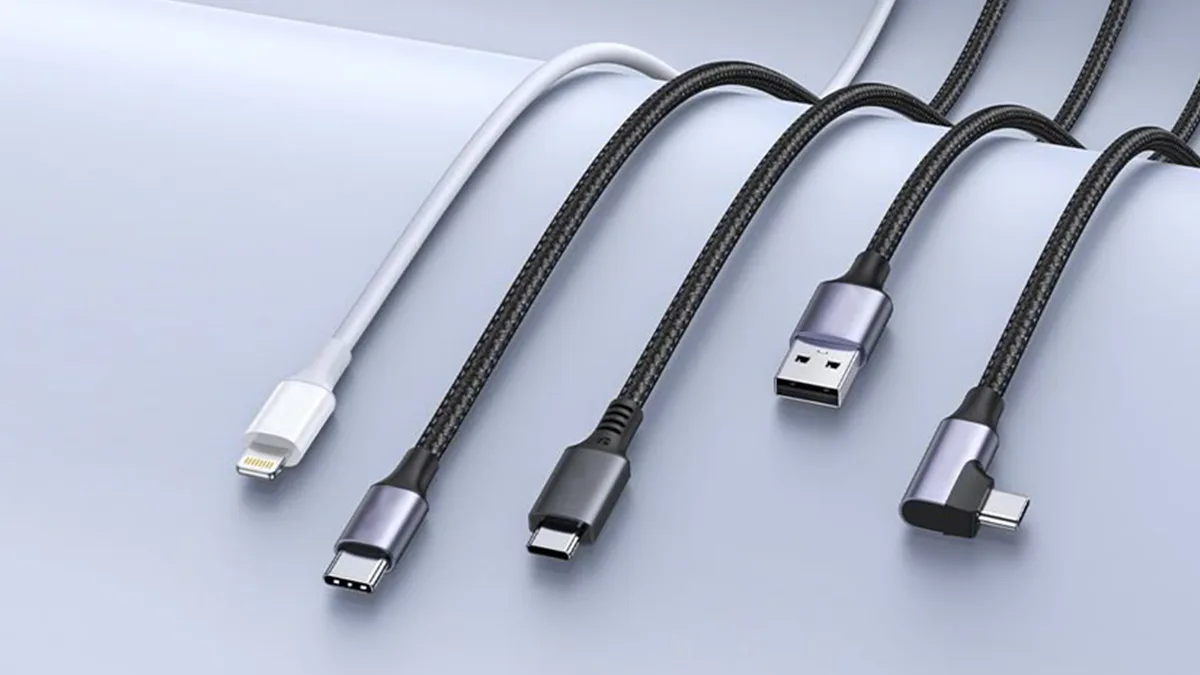
Data & Charging Cable Technical White Paper
Introduction (Background & Purpose)
With the continuous advancement of consumer electronics, smart devices, and industrial electronics, data cables and charging cables have evolved from basic connection accessories into critical components that integrate high-power delivery, high-speed data transmission, safety control, and multi-protocol compatibility. Their performance not only affects charging efficiency and user experience but also directly impacts device safety, system stability, and overall brand reliability.
Based on long-term manufacturing expertise and industry technology trends, this technical white paper provides a systematic and comprehensive analysis of data cables and charging cables from multiple perspectives, including materials engineering, structural design, electrical performance, safety standards, manufacturing processes, and application scenarios. It serves as an authoritative reference for customer product selection, product development, and OEM/ODM cooperation.
一、Product Definition and Application Areas
1. Product Definition
Data cables and charging cables are connection components designed to perform the following functions:
- Power Delivery (PD)
- Data Transmission (DataTransmission)
- Protocol Identification and Smart Control(SmartIdentification)
Based on functional focus, cables can be categorized as:
- Charging-Focused Cable (Primarily for Power Delivery)
- Data-Focused Cable (Primarily for High-Speed Transmission)
- Full-Function Cable (Power + Data + Video/Expansion)
2. Main Application Areas
- Smartphones and Tablets
- Laptops and Display Expansion Devices
- Wearable Devices and TWS Accessories
- Power Banks and Chargers
- Industrial Equipment, Automotive Electronics, and IoT Terminals
二、Detailed Analysis of Data Cable Conductor Types
The conductor material of a data cable directly determines its electrical conductivity, charging efficiency, heat generation, lifespan, and cost. Based on material structure and application requirements, the common types of conductors are as follows:
1.Pure Copper Conductors (Mainstream & High-End)
1.1Oxygen-Free Copper (OFC) — Mainstream and Most Reliable
Features:
High copper purity (≥99.95%)
Low resistance with excellent electrical conductivity
Minimal heat generation with high stability
Applications:
Fast-Charging Cables (PD 60W / 100W / 240W)
Mid-to-High-End Branded Products
Mid-to-High-End Branded Products
1.2Electrolytic Tough Pitch Copper (ETP Copper) — Industry Standard Conductor
Features:
Copper purity approximately 99.9%
Cost slightly lower than OFC
Stable performance with wide application
应用:
Standard Charging Cables
USB 2.0 Data Cables
2.Surface-Treated Copper Conductors (Durable Type)
2.1 Tinned Copper — High Corrosion Resistance
Features:
Copper Surface Plated with Tin
Corrosion-Resistant and Oxidation-Resistant
Good Solderability
Applications:
High-Humidity Environments
Long-Term Use or Industrial-Grade Data Cables
Braided Cables and Products with High Injection Molding Requirements
2.2 Silver-Plated Copper — High-Frequency & Premium
Features:
Lower High-Frequency Signal Loss
High Surface Conductivity
Higher Cost
Applications:
High-Speed Data Cables
USB4 / Thunderbolt
Special High-End Products
3.Composite Conductors (Cost-Oriented)
3.1 Copper-Clad Aluminum (CCA) — Cost-Oriented Type
Features:
Aluminum Core with Copper Cladding
Higher Electrical Resistance and Greater Heat Generation
Higher Electrical Resistance and Greater Heat Generation
Applications:
Low-Power Charging Cables
Short-Distance Use
Entry-Level Products
⚠️ Not Recommended for Fast Charging or High-Power Products
3.2Copper-Clad Steel (CCS) — Specialized Applications
Features:
High Strength
Moderate Electrical Conductivity
Poor Flexibility
Applications:
Special Structural Cables
Non-Mainstream Data Cable Products
4.Insulation and Sheathing Materials
The insulation and sheathing system determines the product’s safety level, durability, and user tactile experience.
4.1 Common Sheathing Materials
- PVC:Cost-Effective, Structurally Stable, Suitable for Standard Applications
- TPE:Highly Flexible, Environmentally Friendly, Excellent Bend Resistance
- Silicone: Resistant to High and Low Temperatures, Aging-Resistant, Excellent Anti-Tangling Performance
- Nylon Braided Reinforcement Layer: Significantly Enhances Abrasion, Tensile, and Cut Resistance
4.2 Environmental and Regulatory Compliance
- All materials comply with RoHS / REACH requirements
- Halogen-Free and Low-Smoke Eco-Friendly Solutions Available Upon Market Demand
三、Connector and Plug Engineering Technology
1. Mainstream Connector Standards
- USB Type-A
- USB Type-C
- Lightning
- Micro USB(Being Phased Out)
USB Type-C has become the unified connector standard, supporting high power, multiple protocols, and multifunctional expansion.
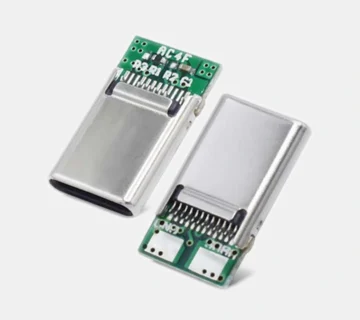
2.Internal Structure Analysis of Plugs
2.1 Terminal System
- Copper Alloy Base Material, Enhancing Mechanical Strength
- Gold/Nickel Plating Process, Reducing Contact Resistance
- Precise Terminal Pitch Control, Ensuring Signal Integrity
2.2 PIN Design
- Automated Soldering Process, Ensuring Consistent Solder Joints
- Internal Injection-Molded Filling Structure, Enhancing Tensile and Bending Strength
2.3 Soldering and Reinforcement Structure
- Automated Soldering Process, Ensuring Consistent Solder Joints
- Internal Injection-Molded Filling Structure, Enhancing Tensile and Bending Strength
2.4Housing and Shielding Design
- Engineering Plastic Housing: Lightweight and Cost-Effective
- Metal Housing (Aluminum Alloy / Stainless Steel): High Structural Strength, Excellent Shielding and Heat Dissipation Performance
2.Internal Structure Analysis of Plugs
2.1 Terminal System
- Copper Alloy Base Material, Enhancing Mechanical Strength
- Gold/Nickel Plating Process, Reducing Contact Resistance
- Precise Terminal Pitch Control, Ensuring Signal Integrity
2.2 Soldering and Reinforcement Structure
- Automated Soldering Process, Ensuring Consistent Solder Joints
- Internal Injection-Molded Filling Structure, Enhancing Tensile and Bending Strength
2.3 Housing and Shielding Design
- Engineering Plastic Housing: Lightweight and Cost-Effective
- Metal Housing (Aluminum Alloy / Stainless Steel): High Structural Strength, Excellent Shielding and Heat Dissipation Performance
四、Electrical Performance and Functional Capability
1.Charging and Power Transmission Capability
The product supports a wide range of mainstream fast-charging protocols:
- USB Power Delivery(PD0 / 3.0 / 3.1)
- Quick Charge(QC)
- PPS Dynamic Voltage Adjustment Protocol
Power Level Coverage:
- Standard Charging: 18W–30W
- Fast Charging Applications: 60W / 100W
- High Power Extension: Supports up to 240W (USB PD 3.1)
2. Data Transmission and Signal Integrity
- USB 0:480Mbps
- USB 2:5–20Gbps
- USB4 / Thunderbolt: Up to 40 Gbps
High-Speed Cable Implementation:
- Differential Pair Structure Design
- Aluminum Foil + Braided Mesh Multi-Layer Shielding
- Precise Impedance and Crosstalk Control
3. Intelligent Recognition and Safety Control
- E-Marker Chip Identifies Current and Power Level
- Prevents overcurrent or overheating caused by mismatched devices
- Supports protocol negotiation and identity recognition between devices
五、Reliability, Safety, and Lifetime Design
1. Mechanical Reliability
- Plug/Unplug Cycle Life: ≥10,000 cycles
- Flex Life: ≥10,000–20,000 cycles (varies by model)
- Tensile Strength and Torsion Resistance Testing
2. Electrical Safety
- Overcurrent, Short Circuit, and Overheating Risk Control
- Controllable Temperature Rise under High-Power Operation
- Compliance with International Safety Standards
六、Manufacturing Process and Quality Management System
1. Core Manufacturing Process
- Copper Wire Drawing and Stranding
- Insulation and Shield Layer Extrusion
- Braiding and Outer Sheath Molding
- Plug Welding and Injection Molding Encapsulation
- Finished Product Inspection and Packaging
2. Quality Inspection Items
- Continuity and Impedance Testing
- Withstand Voltage and Insulation Testing
- Plug/Unplug and Flex Life Testing
- Aging and High-Temperature Operation Testing
All products can be certified according to requirements, such as CE / FCC / RoHS.
七、Customization and OEM / ODM Capabilities
- Customization of Wire Length, Color, and Material
- Plug Structure and Appearance Design
- Customization of Protocol Support and Functional Combinations
- Packaging, Labeling, and Branding Services
Supports a one-stop service model from design and prototyping to mass production.
八、Technology Development Trends
- High Power and Multi-Protocol Integration
- Higher Flexibility and Lightweight Design
- Eco-Friendly Materials and Sustainable Manufacturing
- Smart Chip and Security Management Upgrades
Conclusion
Data cables and charging cables have become indispensable high-performance connection components in modern electronic systems. Through continuous optimization of materials, structures, electrical performance, and manufacturing processes, we are committed to providing global customers with safe, stable, reliable, and sustainable connection solutions.

No comment